
Our History
White River Craft Center History
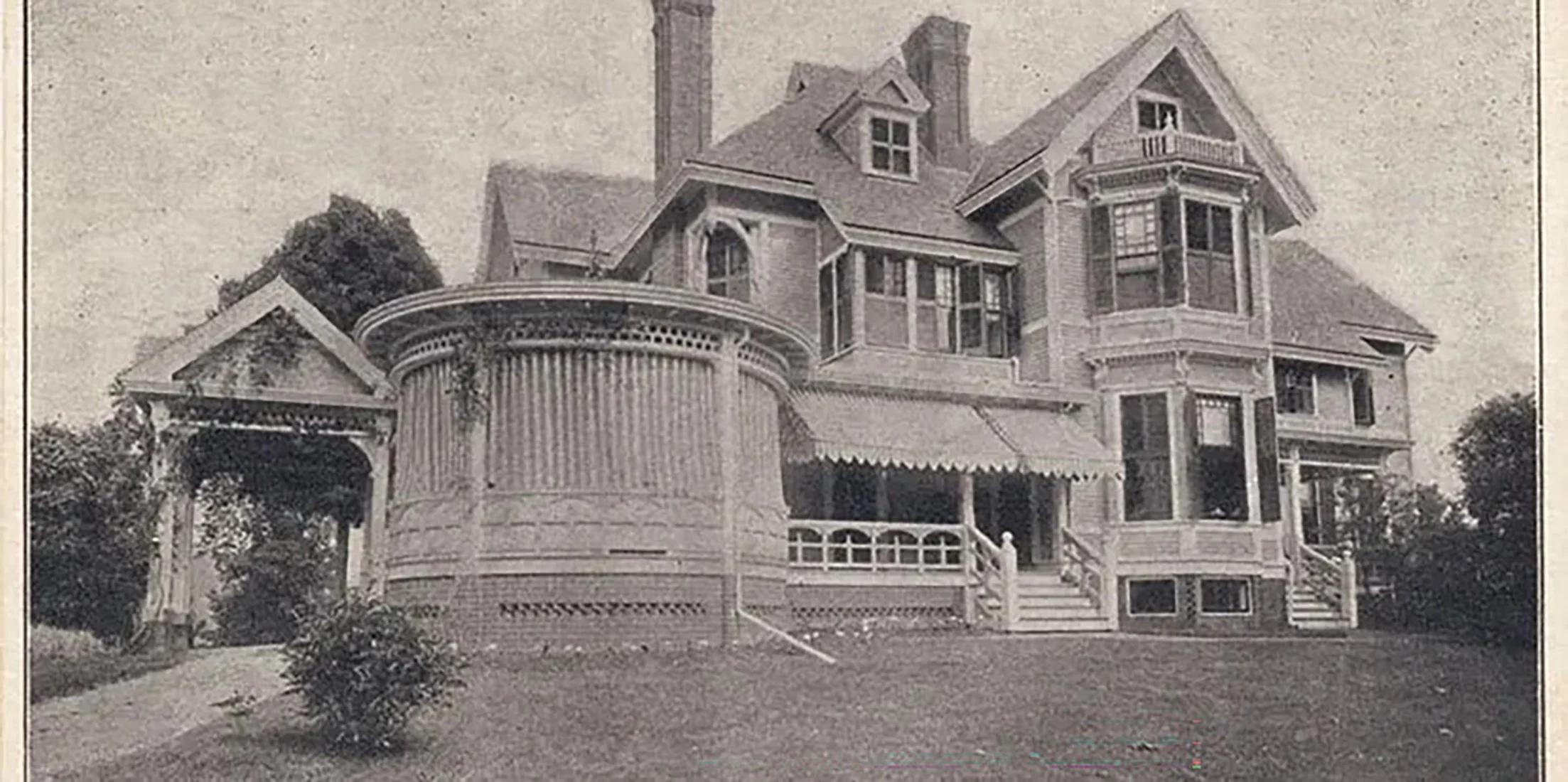
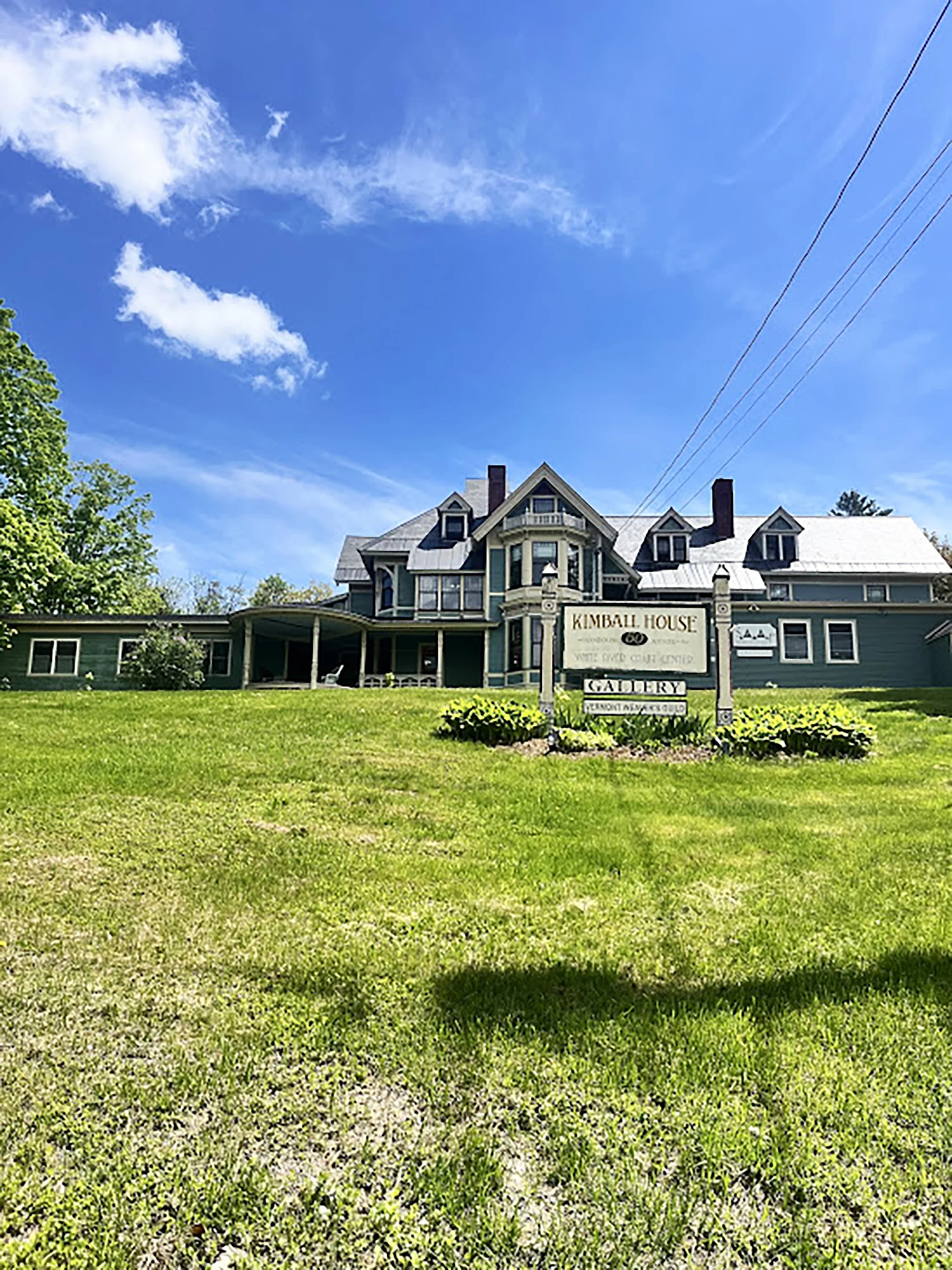
The main campus of the White River Craft Center (WRCC) is located in the historic Kimball House of Randolph Vermont. Since the inception of the WRCC, our mission has been to promote arts and craft education and restore this beautiful building as a place for our community to connect.
Kimball House
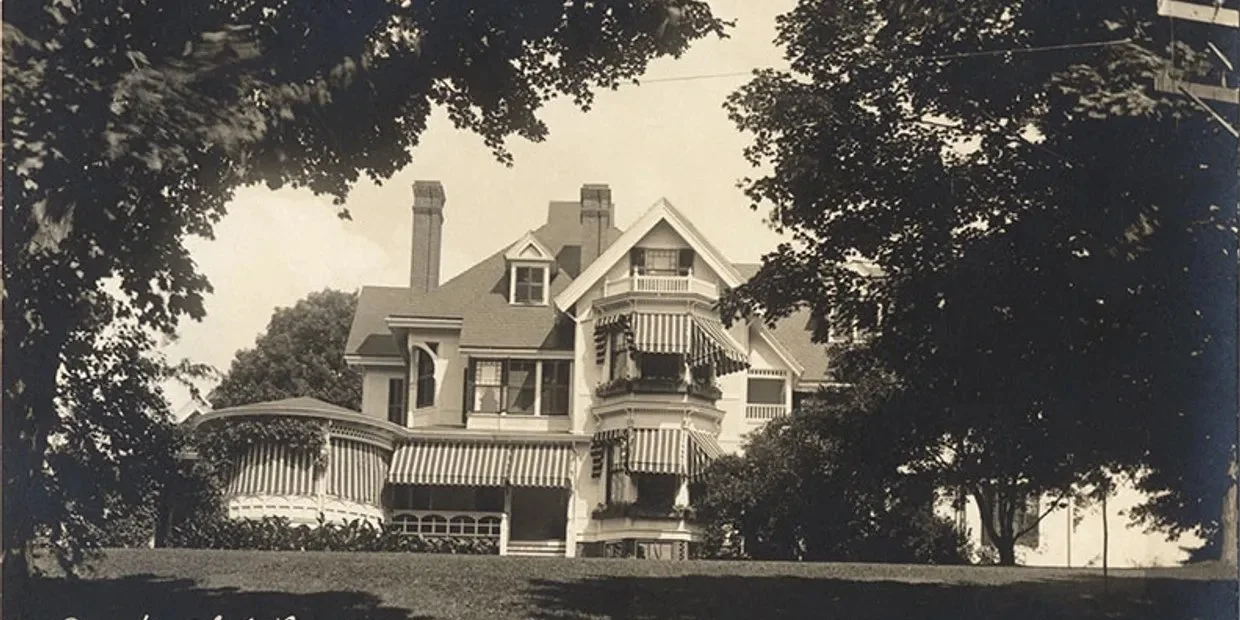
Built in 1887 as the summer residence of Robert J. Kimball, the Kimball House has witnessed more than a century of Randolph history. Known originally as Montague Place, the building later served as the Kimball Inn, the Green Mountain Inn, and eventually Tranquility Nursing Home. Each chapter reflected changing community needs while reinforcing the building's role as a place where people gathered, worked, lived, and connected. By the late twentieth century, the historic structure faced significant deterioration. Its preservation and restoration would become one of the White River Craft Center's most ambitious and transformative community projects.
Weston St Wood Shop
Among the earliest creative spaces at the White River Craft Center were the ceramics and stained glass studios. These studios introduced hundreds of community members to hands-on artistic practice through classes, workshops, open studio access, and collaborative projects. For many local residents, they provided a first opportunity to explore the arts in a welcoming environment. The studios became places where technical skills, creative expression, and friendships developed side by side. Their success helped establish the Craft Center as an accessible destination for arts education and creative exploration in central Vermont.
WRCC Timeline
-
The White River Craft Center (WRCC) is founded with initial studios located in the old White River Valley Herald warehouse on Weston Street. Stained glass, ceramics, woodworking and drawing classes offered. Relationship with Randolph Area Vocational Center to tutor 10 students and to have them learn building trades. Also, start of collaboration with Vermont Dept. of Labor to hire at risk youth for 8 week summer program.
-
Tranquility Nursing home purchased by WRCC with intention of being the central location for the White River Craft Center. The building is named Kimball House referencing the original owner, Robert J. Kimball.
-
Renovations of the Kimball House begin with partnership with Randolph Area Vocational Center and volunteers.
-
WRCC receives Community Block Award of $250,000 from State of Vermont to help with the renovation of the Kimball House.
-
Vermont Weaver’s Guild makes the WRCC their home for meetings, workshops and their library.
-
Darkroom for photography is built with equipment from Arny Spahn, VTC and RTCC
-
Friday Weavers establish weaving studio and develop weaving program
-
Commercial kitchen completed and start of monthly prix fixe community dinners.
-
Monthly Community Lunches begin collaboration from RTCC culinary arts program.
-
SAAP Thai Restaurant moves into commercial kitchen and becomes a local favorite!
-
Completed renovation of the 2nd and 3rd floor of Kimball House.
Kimball House Historic Timeline
The main campus of the White River Craft Center (WRCC) is located in the historic Kimball House of Randolph Vermont. Since the inception of the WRCC, our mission has been to promote arts and craft education and restore this beautiful building as a place for our community to connect.
-
Kimball family settles in Randolph. Family farms in Randolph Center
-
Robert J Kimball is born, February 16, 1836
-
Robert J Kimball builds the home we now refer to as Kimball House. He named the residence “Montague Place” for summer vacationing.
-
Montague Golf Course opens
-
Robert J Kimball dies unexpectedly, Kimball Library in Main street in Randolph, is dedicated to him
-
Montague Golf Course Country Club takes over Kimball House and renames as “Kimball Inn”
-
The Kimball House is purchased by R.L. Knight and re-envisioned as the “Green Mountain Inn”
-
Gifford Hospital purchases the Kimball House and remodels it to accommodate over 50 residents. Renamed “Tranquility Nursing Home”
25th Anniversary Timeline
Study groups provide an opportunity to learn collaboratively with other artists. Organized around a broad topic, like working with color, natural fibers or weave structure, your facilitator provides a brief talk each session along with creative prompts and resources. Students follow up with their own research and creative exploration at home, and gather again at the next session to share what they’ve learned. This model provides participants with loose structure and guidance, which they apply to their own specific textile interests. For artists who appreciate collective knowledge-building or open-ended prompts, study groups provide structure, fellowship and gentle accountability.
Kimball House
-
February 24th
Dedication of the Kimball Public Library Building
Randolph gathers to celebrate the opening of its library.
-
January 26th
The Herald: “Community and Civic Development”
The Herald reports on the Robert J. Kimball House’s conversion into Tranquility Nursing Home.
Kevin Harty
-
February 10th
The Herald: “A Love of Wood”
The Herald reports on Kevin Harty’s woodworking career.
July 3rd
The Herald: “Revitalized Historians Active in Brookfield”
The Herald reports on Kevin Harty and the Brookfield Historical Society’s 57th year of caring for the Marvin Newton House.
-
November 12th
Vermont Sunday Magazine: “Preserving One Kid at a Time”
The Vermont Sunday Magazine reports on Kevin Harty’s work with teenagers to restore Kimball House.
-
Kimball Restoration
-
-
August 29th
The Times Argus: “Craft Center Gets Helping Hands”
September 29th
The Herald: “RTCC Building Trades Joins WRCC”
Students from the Randolph Technical Career Center begin construction work on Kimball House.
Building Opportunity
-
January 22nd
McBean Letter of Endorsement
Dave McBean the coordinator of youth employment program Project Advance, personally endorses the White River Craft Center due to its positive impact on at-risk youth.
July 29th
The Herald: “If I Had A Hammer…”
Kevin Harty, Michael George (co-founder), and the youth who work for them discuss the goals and impact of the White River Craft Center.
-
March 2nd
The Herald: “Pottery Classes Offered”
Craig Williams teaches pottery classes at the White River Craft Center.
-
January 4th
New Classes Start at White River Craft Center
March 22nd
The Herald: “Local Youths Hoping to Have Town Skateboard Park at Rink”
July 15th
The Herald/The Times Argus: “Learning by Doing”
At-risk youths working at the White River Craft Center discuss the impact it has had on their lives.
November 17th
Open House
The White River Craft Center hosts its first open house to celebrate the work on Kimball House and to showcase its artists.
The Arts Community
-
November 10th
Weaving Classes
Susan Rockwell offers weaving classes at the White River Craft Center.
-
September 13th
Open Mic Night
The White River Craft Center hosts an open mic night for young adults and teenagers.
October 4th
Writing Classes
Marjorie Ryerson hosts writing classes out of the White River Craft Center.
-
June 3rd
The Herald: “Open for Art”
The Herald highlights potters working during Open Studio Weekend.
-
February 9th
Burlington Free Press: “Creative Community: Randolph Offers Art with a Personal Touch”
Community Connections
-
November 26th
Green Mountain Creative Collective Inaugural Show
The Green Mountain Creative Collective’s inaugural show opens at the White River Craft Center.
-
July 29th
Stone Motion
The Green Mountain Creative Collection concludes its exhibit Stone Motion.
October 13th
The Herald: “Green Mt. Creative Collective Supports Work of Area Artists”
-
-
May 26th
Open Studio Weekend
The Vermont Crafts Council hosts an open studio weekend, which includes the White River Craft Center.